Chaplaincy

All Church of England schools are connected to a parish or groups of parishes.

For primary schools that usually means the vicar is closely associated with the school,

  • as ex officio governor (sometimes the chair of governors)
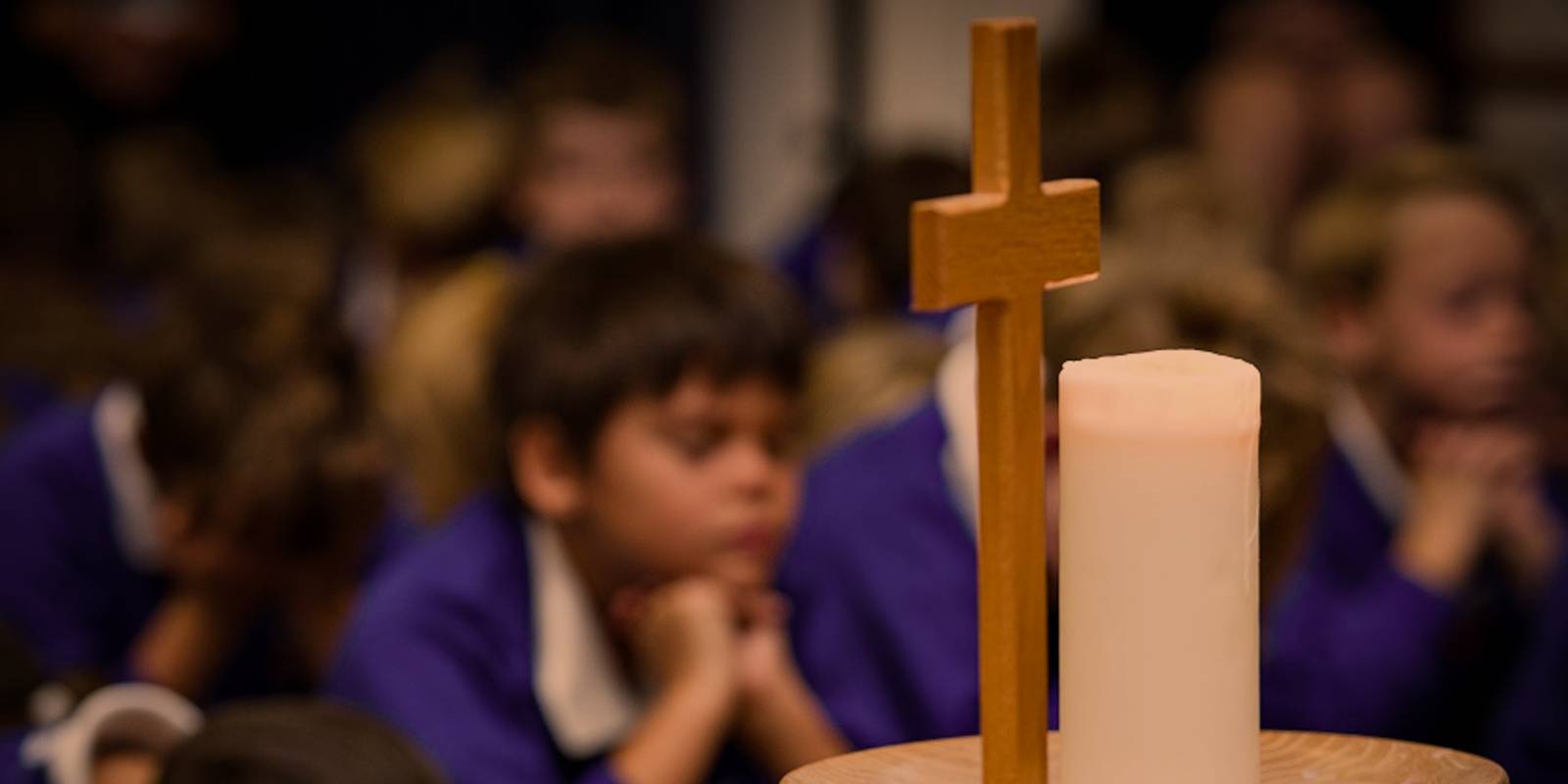
  • leading worship regularly, including school Eucharists
  • helping the school develop its Christian ethos and foundation
  • being a friend to staff and pupils and their families

Secondary Schools and Academies

Some secondary schools, including most Church of England academies, also have a school chaplain. They can be male or female, paid or volunteer, clergy or lay, full or part time.

Paid chaplains are usually employed as a partnership between the school and the diocese. 

There is a wide variety of job profile and pattern tailor-made to suit the school's need.

There are four common elements to the role of a chaplain in a school:

  • liturgical, leading and resourcing the worshipping life of the school
  • pastoral, supporting and befriending staff and pupils
  • spiritual, providing opportunities for spiritual development for the school community in a variety of ways (e.g. retreats, quiet days, residentials)
  • prophetic, holding the school to account in the name of its Christian foundation

Independent Schools

Independent schools with a Church of England foundation also employ chaplains. They do all of the above but also teach. They often head up the Religious Education department in the school.

The School Chaplains' Association brings together mainly independent school chaplains through a bi-annual conference.

The Bloxham Project resources chaplains from both independent and maintained schools.

Revd Garry Neave's post includes a small amount of time allocated to supporting school chaplaincy. This is a new national initiative and we hope to be a real resource to the increasing number of chaplains in Church of England schools and academies.

Find Your Local School

Search Your Location