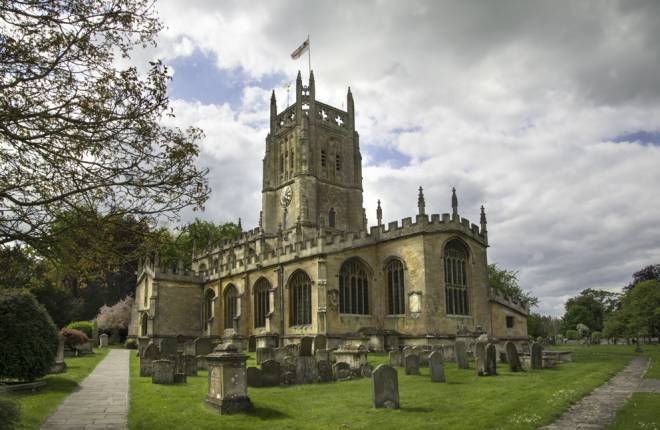
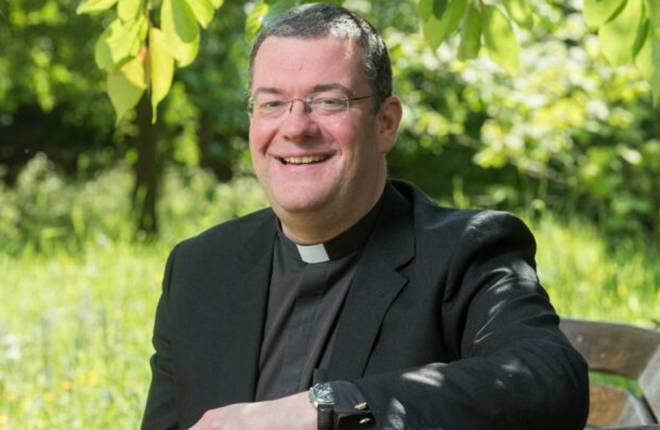
New Dean of Lincoln announced
The King has approved the nomination of The Revd Canon Dr Simon Jones as the next Dean of Lincoln, Downing St has announced.
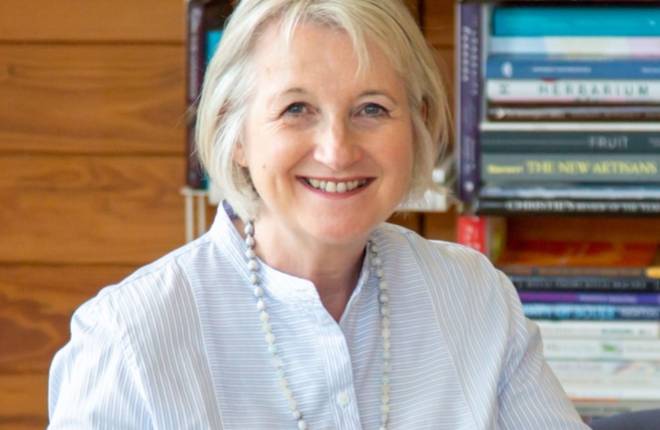
Independent co-chair for safeguarding Response Group appointed
Lesley-Anne Ryder, an experienced CEO and chair who has worked in national and local government and the health and charity sectors, has been appointed the independent co-chair of the Response Group…
After Rwanda: Church leaders speak out over hostility to refugees
Archbishops join leaders of other churches in statement warning that kindness towards those fleeing war, persecution and violence has been 'unjustly maligned by some for political reasons'
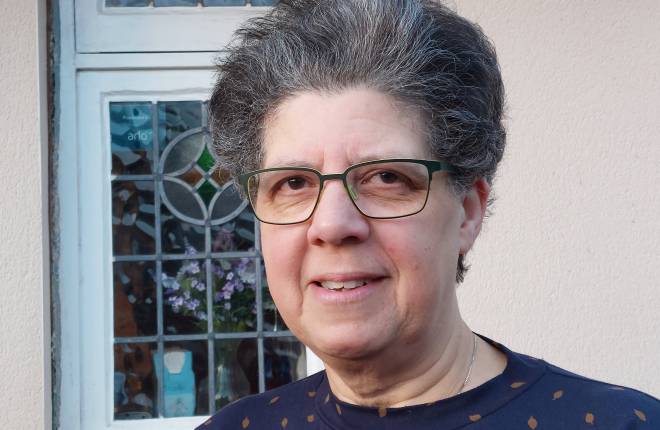
Independent reviewer upholds appointment process for Bishop of Blackburn
Report by the Independent Reviewer Canon Maggie Swinson on the process leading to the nomination of the Bishop of Blackburn, published
Journalists may contact the press office on 0207 898 1326 (monitored inside and outside office hours)
or email [email protected] (routinely monitored during office hours)

Latest stories
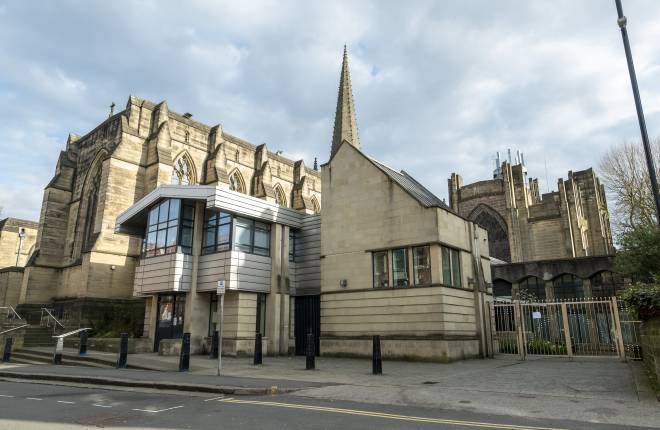
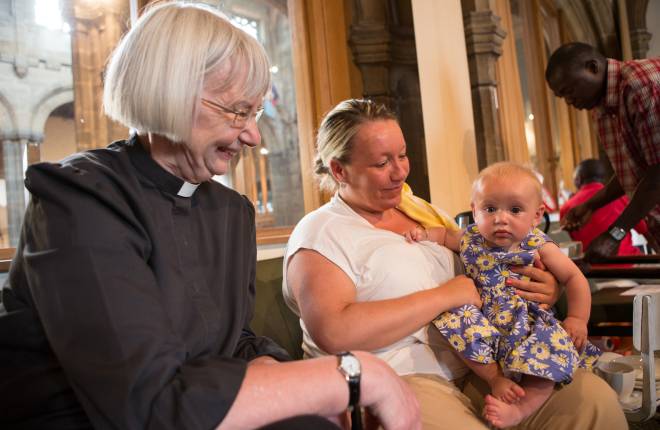
Tea and toast at a Cathedral grows into a charity helping thousands of people
- Salisbury
- Social action

Funding for rural parishes frees up churches for mission
- Winchester
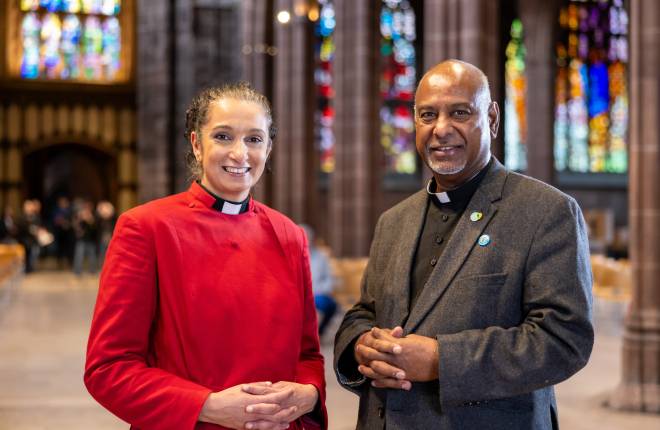
New video highlights net zero ambitions across the country
- Eco church
- Net zero
- Climate change
- Energy
- Environment
- Sustainability

The Communications Team
Find out about the team and contact us